
Calling Ourselves Homebodies Hid How Little We Planned Together
Joking about being an old couple at thirty felt cosy until Friday nights turned into silent phone scrolling. Here is how shared inertia replaced genuine intention.
Original fictionBy 18plus Editorial

This story is a fictional illustration of an everyday adult relationship dilemma.
For nearly two years, Tunde and Halima had a reliable line whenever friends invited them out on a Saturday evening: "We are an elderly couple in our early thirties; leave us with our generator fuel and streaming apps."
It was charming at first. It signaled shared comfort, domestic ease, and a mutual preference for quiet evenings over noisy Lagos lounges. But by their third year in the Maryland flat, the line had curdled into a shield. They were no longer actively choosing to stay home together; they had simply stopped planning time together altogether.
The default living room drift
Living together creates an illusion of constant connection. When two people share rent, refrigerator space, and utility bills, physical proximity often gets mistaken for intentional companionship.
On a typical Friday night, Tunde would sit at the edge of the dining table answering lingering Slack messages from his logistics job, while Halima scrolled through Instagram on the sofa with a half-watched procedural playing on the television. They ate takeaway rice out of plastic containers at different times. When one spoke, the other offered a distracted hum over the rim of a glowing screen.
Neither was angry. There was no explosive fight or infidelity. Instead, there was a steady erosion of curiosity. When every evening defaults to low-effort coexistence, partners stop asking open questions, making reservations, or dressing up for one another. You can explore how minor household shifts prevent this drift in our guide to making quality time work on an exhausting Nigerian workweek.
The promotion dinner that exposed the rut
The turning point arrived on Halima’s promotion day. When she came home with the news that she had secured a senior brand role, Tunde congratulated her with a warm hug and asked, "Should we order the usual grilled fish, or do you want to finish that true-crime doc?"
Halima stood in the hallway, work bag still over her shoulder, and felt an abrupt chill. The easy routine did not feel like a loving sanctuary anymore; it felt like total domestic inertia.
"Can we actually go somewhere?" she asked. "Somewhere with proper glassware where we both have to put on shoes?"
Tunde hesitated, glancing instinctively toward the sofa. "On a Friday night? The traffic along Ikorodu Road will be unbearable. Let’s just stay back and relax like we always do."
"Staying back is just laziness now, Tunde," she said quietly. "We don’t stay home because it’s special. We stay home because neither of us wants to make an effort."
Differing costs: hard-earned rest versus quiet neglect
The conversation that followed exposed how differently they viewed the preceding six months.
For Tunde, home was the only space where he did not have to perform. His workdays involved grueling vendor negotiations and two-hour commutes; the silence of their parlour was his essential recovery zone. To him, an unplanned weekend was proof of relationship security, showing they did not need external entertainment to stay solid.
For Halima, that same absence of effort felt indistinguishable from neglect. Routine had replaced romance. Without deliberate dates, shared novel experiences, or focused screen-free conversations, she felt more like a flatmate sharing overhead costs than a romantic partner. Setting deliberate structural habits, such as those in date-night ideas at home that you both want to do, helps keep domestic ease from sliding into indifference.
Replacing the excuse with low-friction commitments
Fixing a relationship stalled by comfortable inertia does not demand extravagant weekend getaways or complicated Friday night itineraries. The goal is intentionality over default drifting.
Halima and Tunde agreed to drop their self-deprecating excuse and set three practical ground rules to rebuild deliberate connection:
- The alternating host rule: One partner plans a specific shared activity every other week. It does not need to be expensive, but it must be decided and confirmed before Thursday evening. 2. The screen-free dining block: At least three nights a week, dinner happens at the table without laptops open or phones propped against water glasses. 3. Low-stakes novelty: Instead of defaulting to takeout on the sofa, they take short evening walks or try simple activities at home, similar to the suggestions in five screen-free games for couples at home.
Comfort is essential in a long-term relationship, but comfort without intentional effort inevitably builds distance. When staying in becomes an excuse to stop showing up for each other, leaving the joke behind is the first step toward reclaiming real partnership.
Keep reading
Read next.
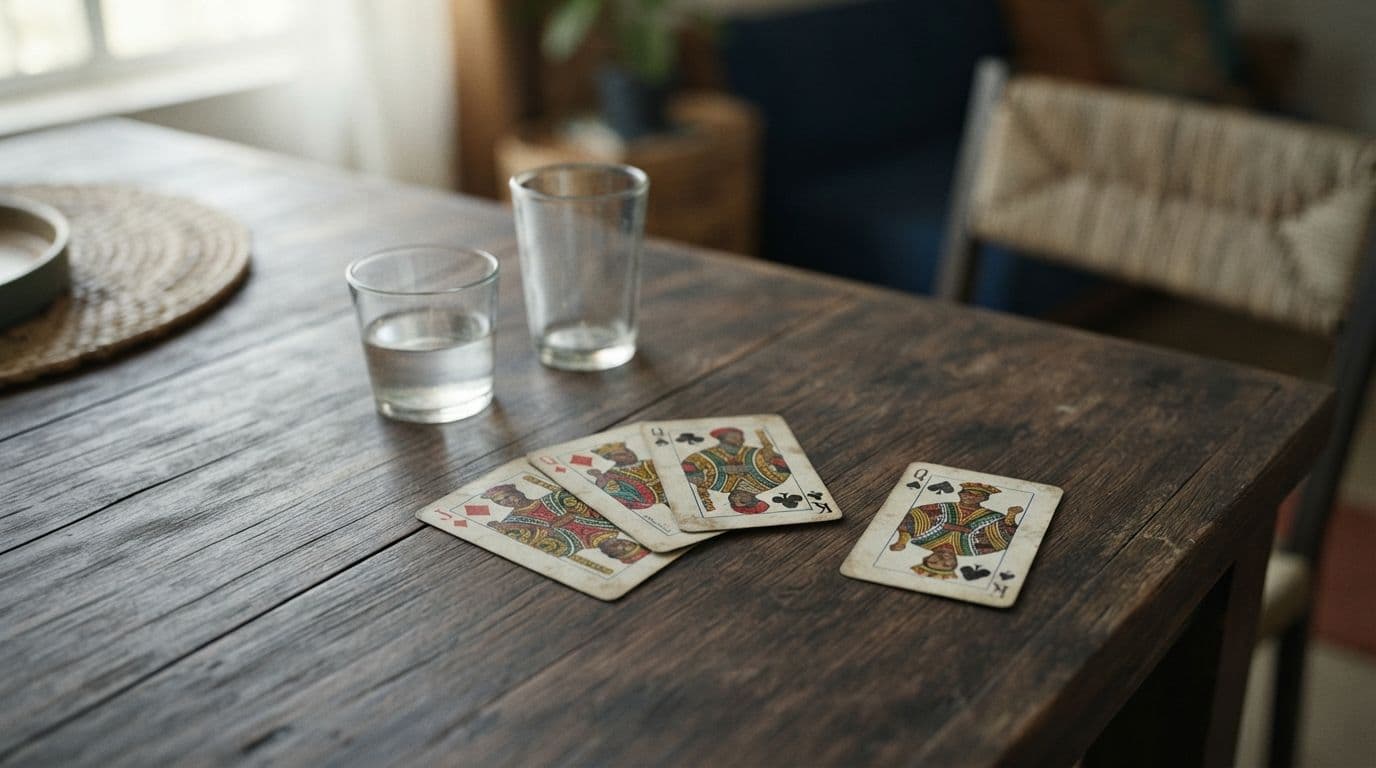
Declining the Upscale Table Without Ruining the Group Chat
When an income jump shifts your friend group's default hangout into pricey restaurants, silent math creates resentment. Here is how to counter high-cost plans cleanly.
Read the story
Stop Keeping Tally on the Group Chat: How to Ask for What You Need Instead
When busy schedules turn adult friendships silent, silently tallying who reached out last breeds resentment. Here is how a direct ask breaks the deadlock.
Read the story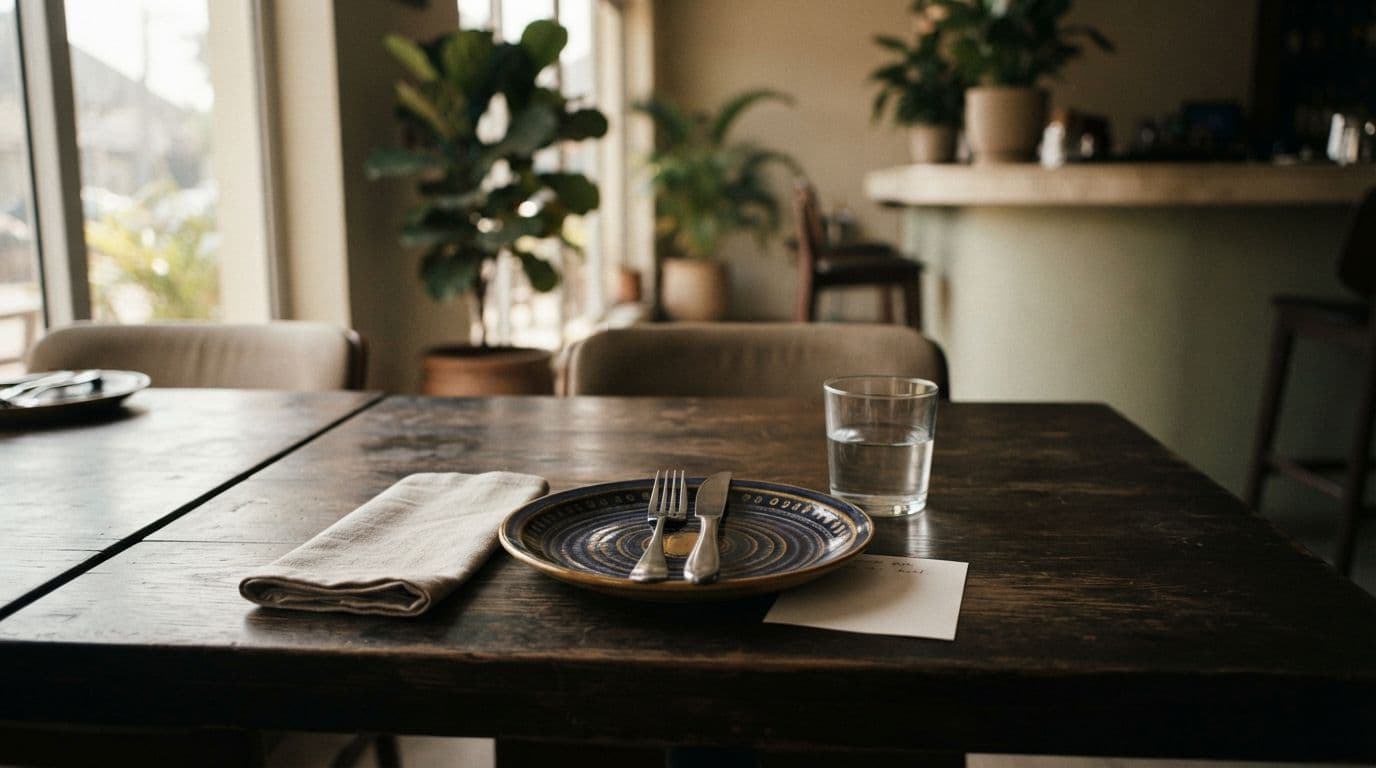
Why That Same Dinner Keeps Getting Cancelled
When group plans repeatedly collapse at the last hour, the breakdown is rarely a loss of affection. It is an unexamined format demanding far more friction than anyone agreed to carry.
Read the story