
Your Shared Parlour Is Not the Default Weekend Hangout Spot
When an outgoing partner turns the living room into a weekly social hub, the quiet partner loses their only sanctuary. Here is how couples untangle domestic hosting.
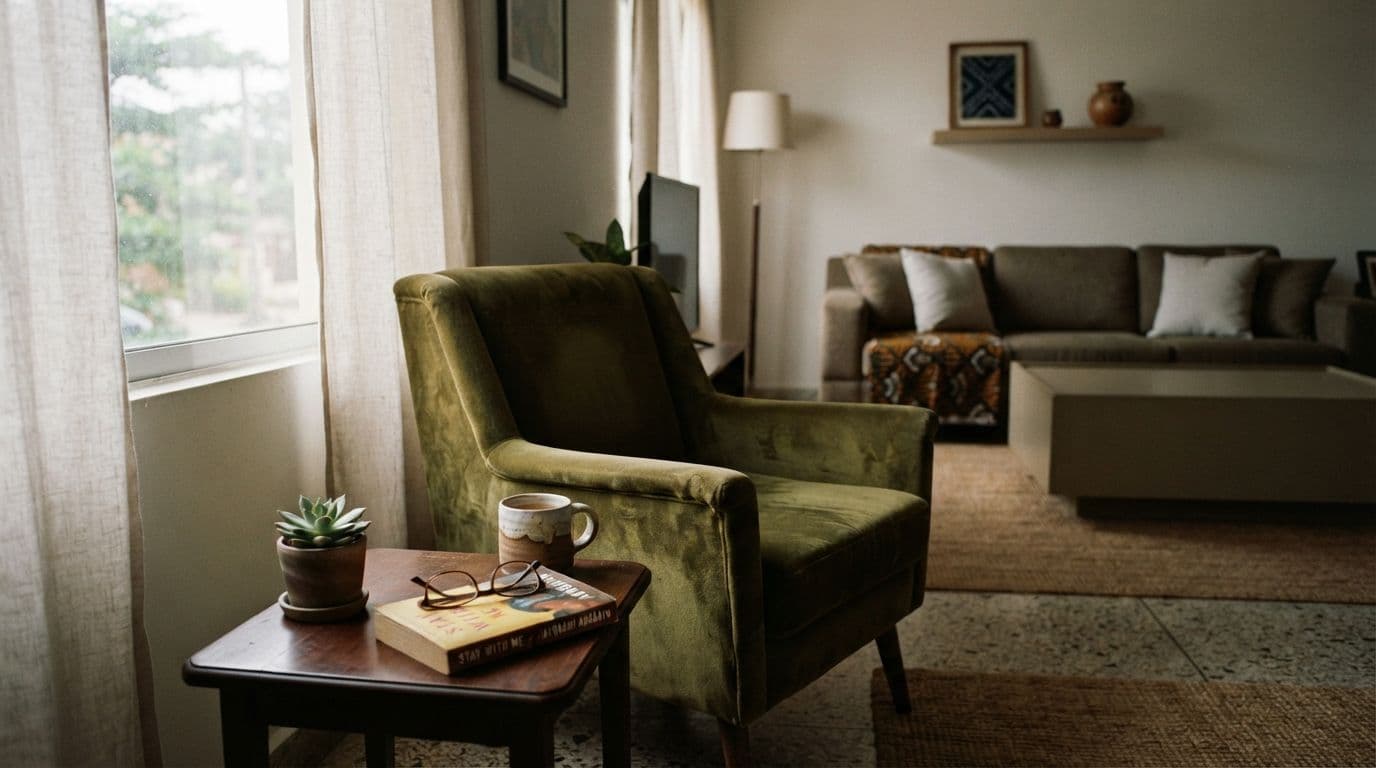
When one person needs quiet recovery after a exhausting workweek and the other thrives on lively company, turning the shared flat into the default weekend lounge quietly builds resentment. A quiet partner hosting boundaries conversation is not about rejecting friends; it is about recognizing that a home must serve as a private sanctuary before it becomes an entertaining venue.
The following scenario illustrates a common dilemma between cohabiting partners with different social habits.
By four on Saturday afternoon, Tunde had moved three plastic chairs from the balcony into the parlour, arranged six glass tumblers on the side stool, and connected his phone to the soundbar. In the bedroom, Ife closed the novel she had barely started. She had spent five days running site logistics across Ikeja, battling third-party contractors and traffic on the expressway. All she wanted was forty-eight hours without having to answer a question, monitor conversation volume, or offer someone a cold drink.
Instead, the front door buzzer sounded. Tunde’s cousin arrived with two colleagues from his agency, talking loudly over the humming generator outside.
For couples living together, home often serves two completely opposite functions. For an outgoing partner, the parlour is a stage for hospitality and keeping friendships alive. For a quiet partner, that same room is the final barrier against a noisy world. When hosting becomes the default compromise, the domestic load falls entirely on the person who simply wanted to rest.
The Illusion of the Low-Stakes Parlour Visit
The extroverted partner often believes hosting at home is an act of consideration. The logic seems neat on paper: going out costs fuel, requires navigating crowded parking lots, and forces both people into noisy commercial venues. Staying in feels cheaper and simpler.
"You do not even have to come out of the room," Tunde would tell Ife whenever friends proposed coming over to watch Premier League fixtures.
Yet retreating inside your own bedroom while visitors occupy the living space is not genuine rest. You cannot walk to the kitchen in your wrapper to microwave leftover rice without being seen. You cannot sit on your own couch with a cup of tea without making small talk about someone's commute or answering polite inquiries about your week. As discussed in why the quiet friend should not have to host the reunion, entertaining guests always extracts emotional labour from everyone in the house, even when the host insists the gathering is informal.
When a home stops feeling private, the quiet partner never actually clocks out of their week.
Differing Stamina Is Not a Character Flaw
Disagreements over hosting usually turn moral when they should remain logistical. The more gregarious partner feels judged, wondering why their partner dislikes their friends or acts inhospitable. Meanwhile, the quieter partner feels cornered, wondering why their need for stillness is treated as a problem to be fixed.
Neither position is wrong. Building durable adult friendships often requires regular gatherings and shared activities. Research highlighted by the Greater Good Science Center on communities of play demonstrates how shared, recurring activities help adults build essential support systems and maintain long-term ties. Extroverts naturally use their homes to anchor those connections.
However, a shared flat belongs equally to both residents. If one person's method of connection completely destroys the other's recovery time, the balance has collapsed. Recognizing when boundaries slip—much like realizing when a shared parlour becomes an after-hours reception lounge—is crucial before quiet irritation turns into bitter arguments.
Shifting Gatherings Beyond the Front Door
Protecting the flat does not mean the outgoing partner must abandon their social circle. It simply requires taking the host duties outside the shared residence.
- Move viewing sessions to third spaces: Local neighbourhood spots, viewing centres, or casual outdoor gardens remove the setup and cleanup from your living room. * Rotate among friend groups: If a circle of friends meets every weekend, the burden should not fall permanently on the flat with the best inverter setup or most accessible compound. * Cap parlour visits with clear timing: An invitation should have a clear start and finish time rather than drifting into an open-ended seven-hour stay.
When Tunde agreed to watch evening matches at an open-air spot in Mende with his cousins, Ife got her quiet Saturday evening back. In turn, when they did occasionally host a small dinner once a month, Ife was rested and genuinely present rather than hiding behind the bedroom door.
Couples thrive when they stop expecting one person's social stamina to mirror the other's. As outlined in stop dragging your exhausted partner to every hangout, honouring different capacities keeps shared spaces peaceful.
Keep reading
Read next.
Close the Living Room Door: Handling Unplanned Group Visits in a Small Flat
Shut down unplanned group visits to your flat within five minutes by answering directly in the group thread and offering a neutral outdoor venue instead.
Read the story
Turn Away the Surprise Guest Without Wrecking the Friendship
When a close friend assumes being in the neighbourhood entitles them to your sofa, you do not have to let them in. Here is how to guard your door gracefully.
Read the story
The Twenty-Minute Evening Reset That Restored Peace in a Tight Flat
When two flatmates have no buffer in a compact apartment, forced polite chatter becomes exhausting. A timed evening anchor stopped the friction without heavy talks.
Read the story