
Your Shared Parlour Is Not an After-Hours Reception Lounge
When an extroverted flatmate runs an open house in a shared flat, the quiet resident ends up paying rent for zero privacy. Here is how to stop involuntary hosting.
An 18plus originalBy 18plus Editorial
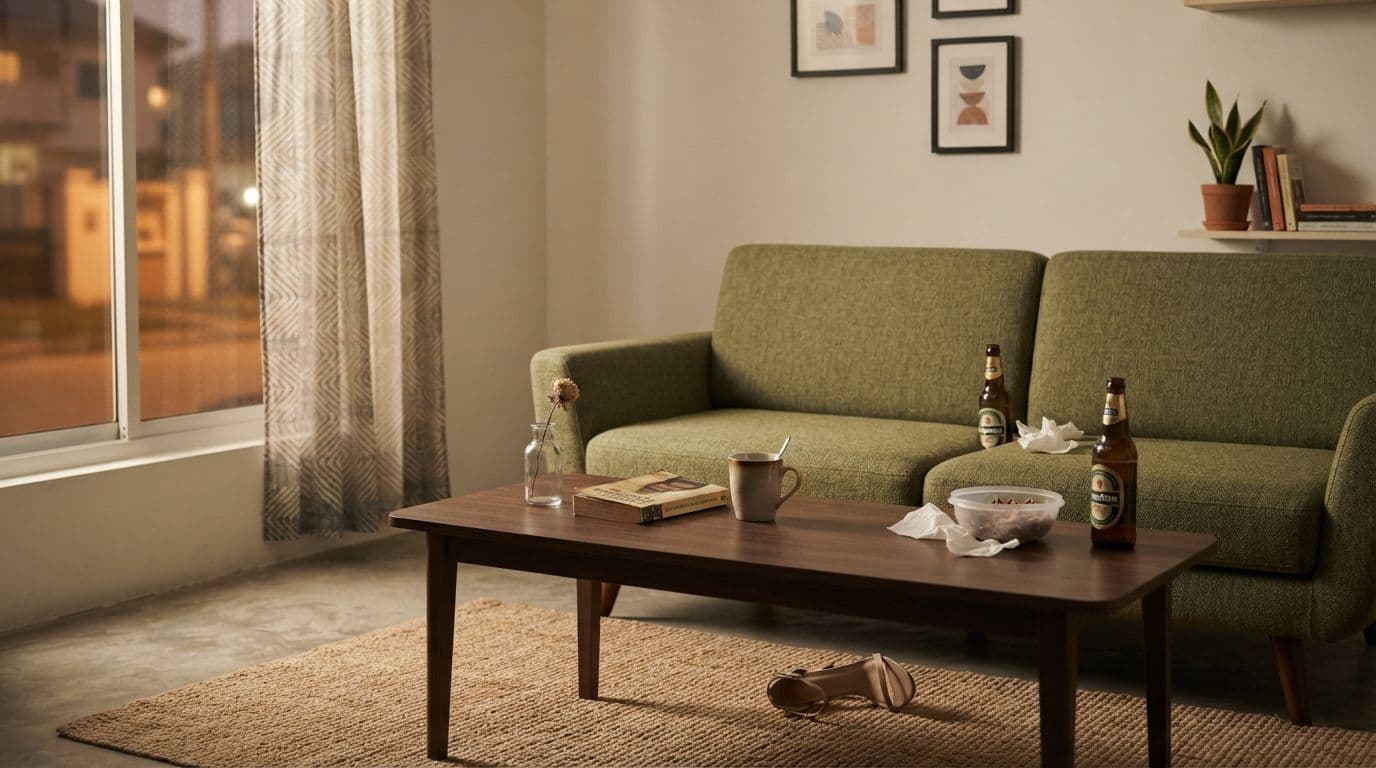
The front door swung open at twenty past seven, bringing with it the unmistakable smell of street-grilled turkey, damp umbrella fabric, and three people who did not contribute a single kobo toward the annual service charge at Number 14 Olumo Close.
Tunde stayed on the rug in his socks, holding an unread paperback with his thumb marking page forty. He had swept the ceramic floor after returning from his office, washed the single lunch plate in the sink, and calculated that the 2.5kVA generator out back gave them exactly four hours of light before the transformer switchover. That window was supposed to be spent in quiet.
"Bro, you’re inside?" Femi shouted, kicking off his heavy trainers directly in the doorway. He dropped a plastic carrier bag rattling with chilled glass bottles on the glass table. Behind him came Segun and a colleague from his digital agency carrying a greasy paper carton from Commercial Avenue. "Oya, bring cups from kitchen now. Segun bought that herbal bitters you said you wanted to try."
Tunde did not want herbal bitters. He had never mentioned herbal bitters. What he wanted was the thirty minutes of undisturbed breathing space he had mentally budgeted between shutting down his laptop and boiling rice. But in a three-bedroom apartment in Yaba where the parlour functioned simultaneously as a reception desk, dining hall, and thoroughfare, the silent flatmate is rarely granted the luxury of an empty room.
The Unspoken Domestic Tax on the Resident Who Doesn't Shout
Shared housing in high-rent urban corridors operates on a peculiar emotional arithmetic. When working adults split a lease, they divide the rent, estate security levies, and diesel bills into neat, predictable fractions. What never makes it into the spreadsheet is the domestic load generated by continuous, unannounced visitors.
Femi lived out loud. He worked in event management, answered client calls on speakerphone while pacing the corridor, and viewed an empty living room as an economic waste. If nobody was sitting on the three-seater sofa, he treated the evening as stalled.
For Tunde, the living room was the only buffer separating his small bedroom from the street. When you live in a building where you hear your neighbour brushing teeth through shared ventilation vents, physical calm is not an indulgence; it is sanity. We see how fast domestic territory slips away in similar arrangements when free inverter power turns your living room into a shared desk, pulling outside people into communal zones under the guise of convenience.
"I have work to finish by eight," Tunde said, rising from the floor and keeping his voice neutral.
"Ah-ah, chief, five minutes will not finish your life," Segun said, dropping onto the single armchair and reaching for the television remote without looking. "We just came to watch the football highlights before the bridge traffic drops. Femi said you had ice in the freezer."
This was the routine script. The person who invites the crowd rarely manages the crowd. Femi initiated hangouts on an impulse, but when ice trays needed refilling, when sweating glassware left rings on polished wood, or when the bin filled with oily foil wrappers, the clean-up drifted toward whoever stayed sober and awake longest.
The Assumption That Physical Presence Equals Social Availability
Sociological discussions on adult connection frequently observe how informal shared activity builds community. Regular shared pastimes and accessible spaces lower friction and help people bond, as explored in research around when adults embrace play to create community. Yet there is a severe practical difference between opting into a social circle and having an impromptu watch party forced onto your dining table on a working Tuesday.
"Take what you need from the kitchen," Tunde said, picking up his paperback. "I am heading into the room."
"Guy, don't be anti-social," Femi muttered, already pairing his phone to the Bluetooth soundbar. "It's just three of us. Why do you always act like a visitor inside your own house?"
That sentence stuck. It was precisely because it was his own house that Tunde resented performing hospitality every time the sun set. The unexamined belief that occupying shared property requires constant personal availability turns housemates into resentful adversaries.
When a home lacks acoustic insulation and spatial separation, communal territory becomes a zone of attrition. As examined in our look at why that zero-privacy parlour hangout is straining your shared flat, co-living demands structured boundaries rather than assumptions of permanent openness.
Phantom Hosting and the Abandoned Living Room
By nine o'clock, the parlour was thick with laughter, basslines, and the clatter of tumblers. Inside his bedroom, Tunde wore foam earplugs while reading, trying to drown out the low thud of the bass against the thin wall.
He pulled up his phone and typed into their two-man flat operations thread:
"Femi, let's keep the parlour volume down after 10 PM tonight. Have an early pitch tomorrow."
Femi replied three minutes later with two laughing emojis:
"No wahala bro, they are leaving soon anyway. Don't stress."
They did not leave soon. By eleven, someone had splashed stout onto the rug, and someone else was asking where the mop was stored. When Tunde opened his door in shorts to fetch water from the kitchen dispenser, he found two empty takeaway containers on the counter and an oily spoon resting on the breadboard.
Femi was in his bedroom with the door shut, taking a late call from a vendor. The guests remained sprawled on the sofa, scrolling through their phones under the white fluorescent tube, waiting for rideshare fares to decrease. Segun looked up, completely relaxed. "Tunde, you get extra phone charger? Mine just died."
Tunde looked at the unwashed counter, then at Segun. "No," he said plainly. "And the sitting room is closing for tonight."
The room went cold. Segun paused, his hand frozen mid-reach. "Ah. Okay. Let me call my driver then."
Negotiating Predictable House Protocols
Sustainable co-living arrangements survive on mutual predictability rather than polite silence. In relationship dynamics, deliberate routines create emotional safety, a principle echoed by relationship researchers studying rituals of connection. When individuals share a domestic footprint, clear communication around how space is entered and exited protects baseline goodwill from slow decay.
The next morning, the evidence was waiting: two sticky glass rings on the side table, three bottles lined up by the skirting board, and a sink holding greasy forks.
Tunde left them untouched. He brewed his coffee, sat at the kitchen island, and waited until Femi emerged at eight in gym shorts.
"Morning," Femi said, yawning and reaching for a glass. "Omo, Segun said you chased them yesterday. That was kind of harsh, my guy."
"It wasn't harsh, Femi. It was eleven o'clock on a Tuesday," Tunde said evenly. He gestured at the sink. "If you want to host your friends, you host them. That means you stay in the room until they leave, you clear the bottles, and you don't turn the parlour into an open lounge on a working night without checking first."
Femi frowned, leaning back against the fridge. "We pay the same rent. I shouldn't have to seek permission to bring two people inside my house."
"You don't need permission to bring people inside," Tunde answered, keeping his tone measured. "You need an agreement on what happens to common space when someone else is trying to sleep. You pay half the rent for the parlour. You don't own all the air in it."
Practical Ground Rules for Shared Common Rooms
A shared apartment does not require rigid silence, but it demands operational clarity. When spatial boundaries collapse, everyone loses: the extrovert feels policed in their own living room, while the quieter flatmate feels like an unpaid caretaker in a commercial bar.
To keep shared domestic space functional, flatmates can rely on three simple practices:
- Host responsibility: Whoever brings visitors into the flat manages their hospitality and cleans all surfaces before sleeping. Communal areas must be reset to neutral by sunrise. * Designated quiet windows: On weeknights after a set hour, common rooms default to low-volume rest. Group gatherings either move into the host's private bedroom or relocate outside the apartment. * No phantom hosting: A resident does not retreat into their private bedroom while leaving outside guests unattended in the communal parlour for extended periods.
By Thursday evening, the flat was quiet. Femi had cleared the glassware, wiped the coffee table, and when his phone rang with plans for a Saturday afternoon match, he knocked on Tunde's open door first.
"Saturday afternoon," Femi said, leaning on the frame. "Three guys coming for the match between four and six. I’ll order the food, take out the trash immediately after, and they clear out by seven. That work for you?"
Tunde looked up from his monitor and nodded. "That works fine. Just leave the kitchen walkway clear so I can make lunch."
Sharing urban housing rarely offers total isolation. But when the assumption of constant, involuntary hosting is removed, the quiet person stops dreading the turn of a front door lock—and the flat finally works for both people.
Keep reading
Read next.
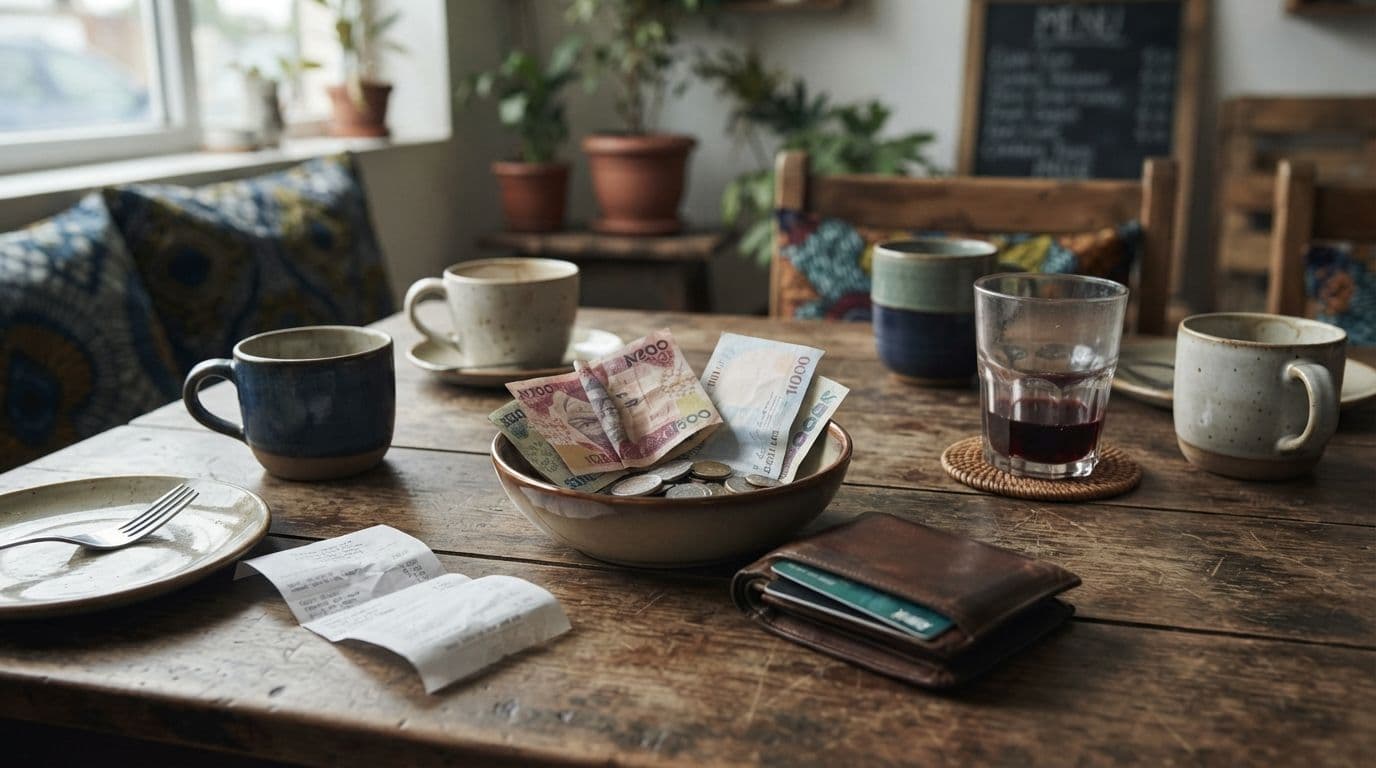
Split Checks and Silent Grudges: Fixing the Costly Weekend Routine
When differing career jumps inflate the price of catching up, polite silence around rising bills tests long-standing friendships far more than honest money boundaries ever could.
Read the story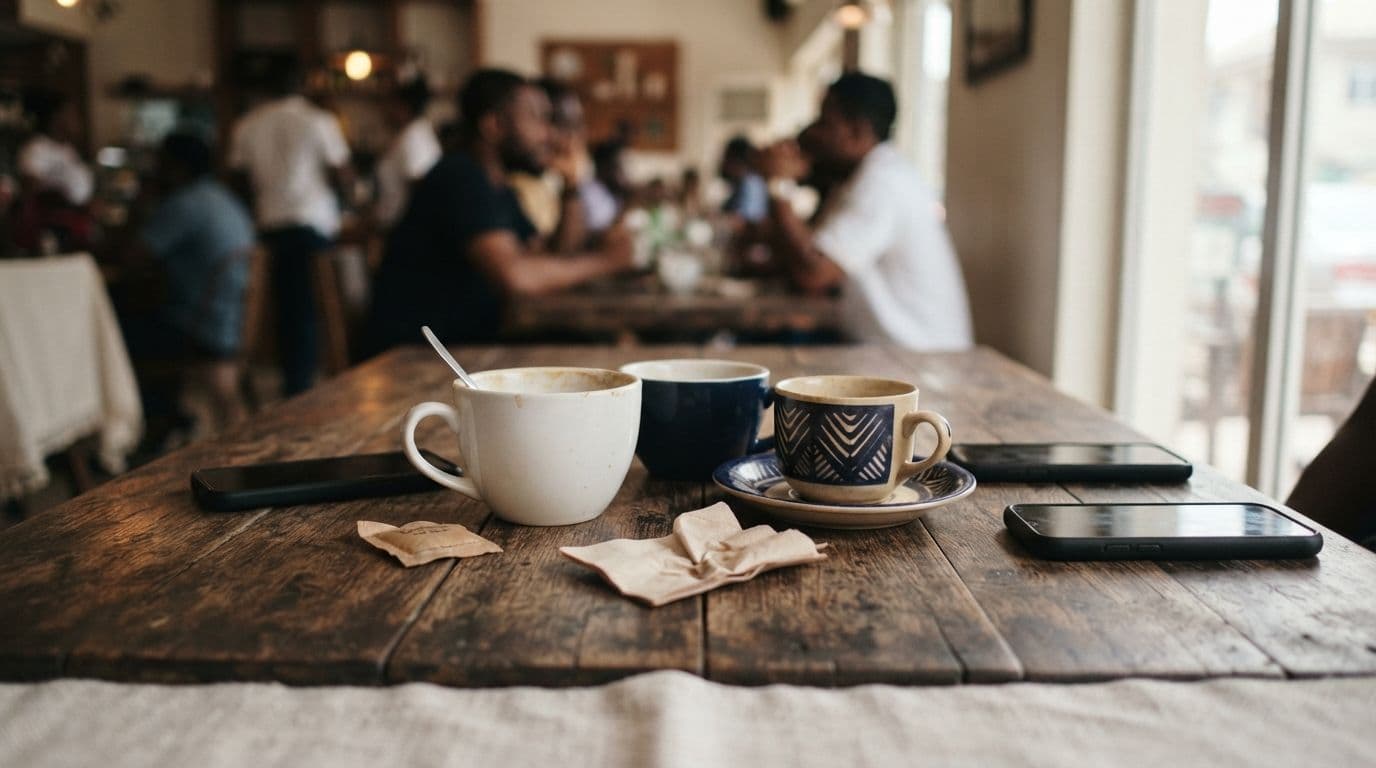
Trading the Active Group Chat for an Honest Face-to-Face Ask
When memes and quick reactions replace real plans, resentment builds in silence. Here is how four adult friends stopped keeping score and met again.
Read the story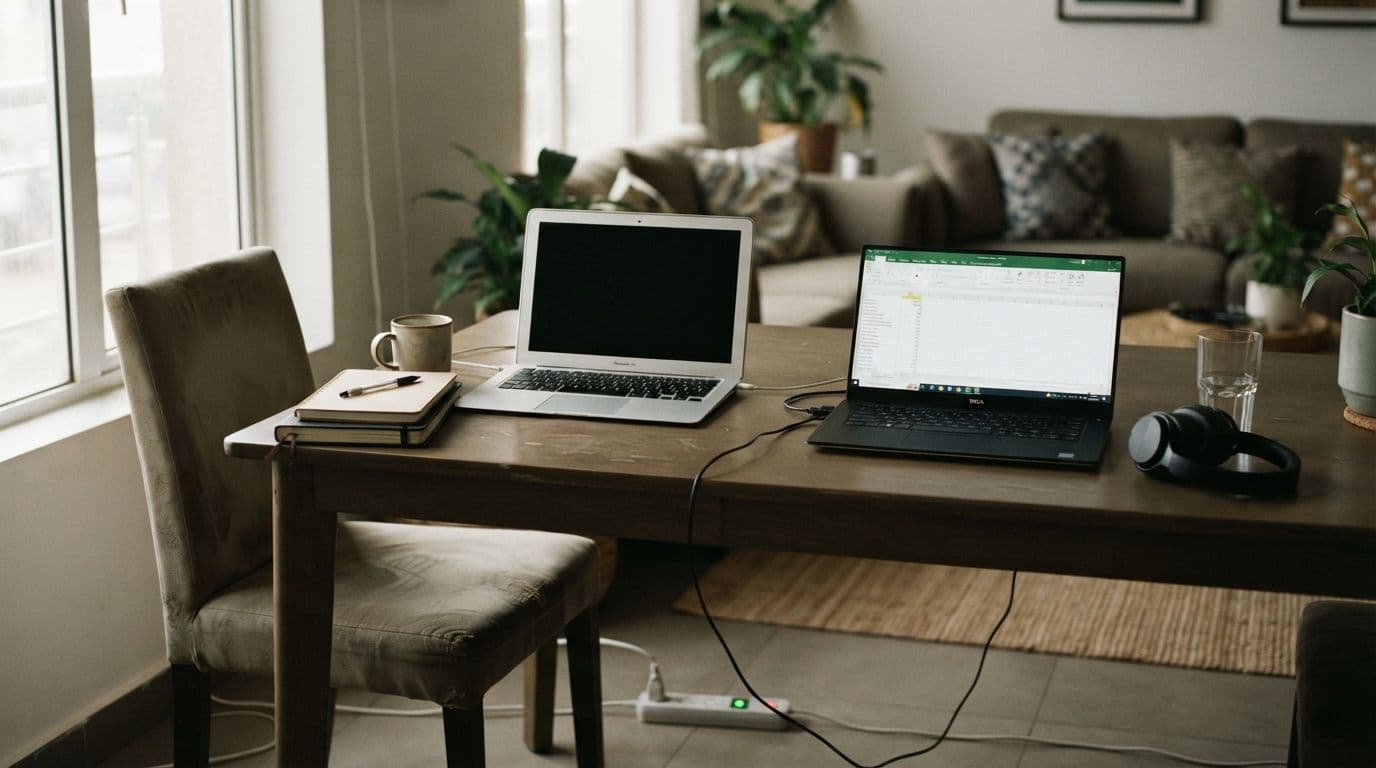
Free Inverter Power Turns Your Living Room Into a Shared Desk
When reliable electricity and quiet internet transform your flat into an uninvited daytime desk, setting boundaries protects the friendship.
Read the story