
Turn Away the Surprise Guest Without Wrecking the Friendship
When a close friend assumes being in the neighbourhood entitles them to your sofa, you do not have to let them in. Here is how to guard your door gracefully.
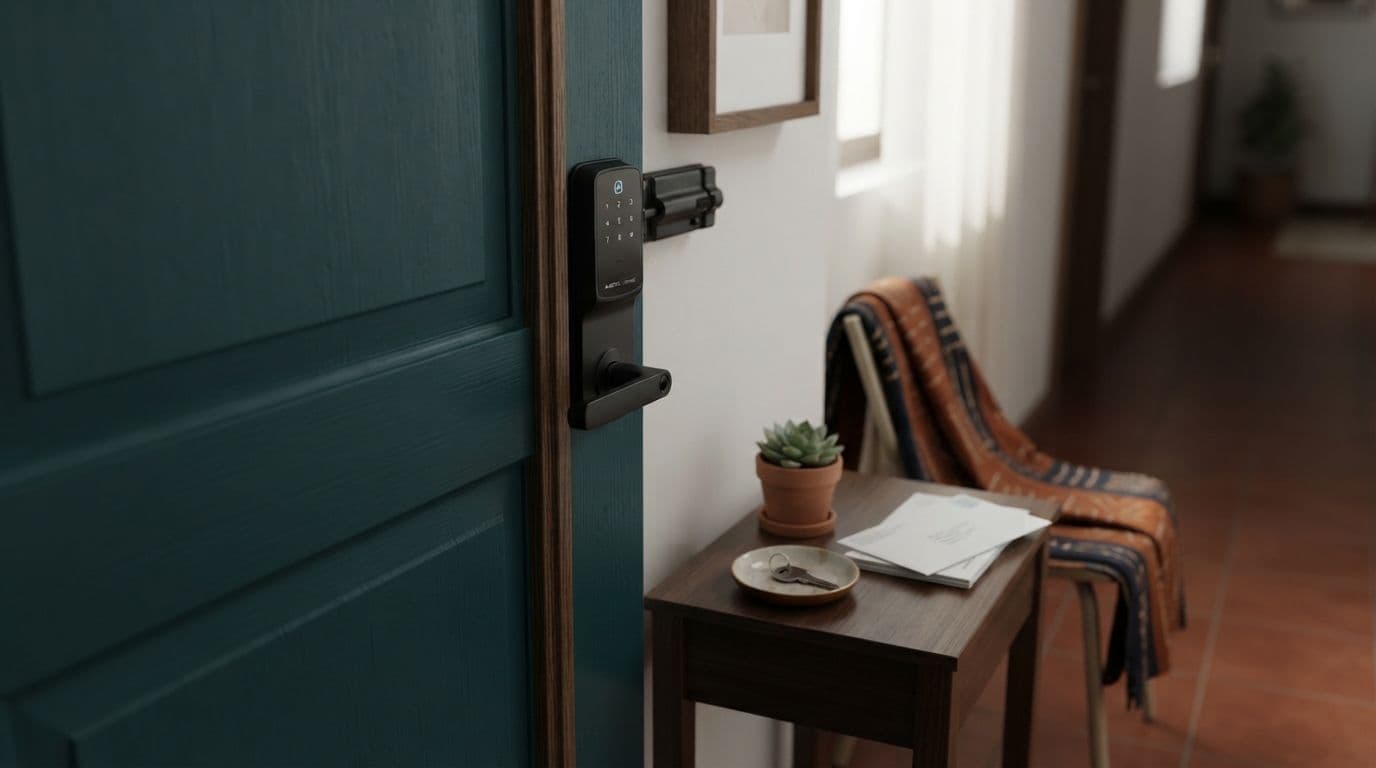
To handle unannounced visits from friends without damaging the bond, turn them away at the door with a warm, unbending refusal and immediately set a specific date to meet elsewhere. Friends drop by without checking because they equate closeness with permanent access, but letting them in out of guilt only breeds silent resentment while you pretend to be glad they interrupted your rest.
Hiding behind closed curtains or pretending your phone is on silent does not solve the pattern. Drawing a clear line at your threshold protects your restorative hours and keeps the friendship honest.
The Real Friction Behind the Surprise Knock
Spontaneous drop-ins often stem from shared history. If you met during university or lived on the same street years ago, walking straight into each other's rooms was standard proof of intimacy. In adult life, however, an unscheduled arrival collides directly with meal prep, backed-up chores, remote work deadlines, or the few hours you set aside to be alone.
The real damage happens when you play the gracious host against your will. You pull out chilled water, offer snacks, and sit through two hours of small talk while privately seething about your ruined afternoon. That irritation lingers long after they leave, quietly making you dread their phone calls during the week. As explored in handling the 8 PM guest who refuses to leave your parlour, failing to set a boundary early turns an ordinary social visit into a source of domestic tension.
Exact Words for the Doorstep
When a friend rings the bell or calls from your gate to announce they are already downstairs, you do not need to invent an elaborate excuse or fake an emergency. Keep the focus entirely on your current lack of availability:
- "It is so good to see you, but today is strictly my solo recharge time and I am not taking visitors. Let's fix a proper date for next week." * "I wish you had checked before coming over! I am completely tied up with house chores today and cannot host. Let me call you tomorrow morning." * "Today is not workable for hanging out at all. Let's do lunch on Saturday instead so we actually have time to talk."
If they brush it off with "I will only sit for ten minutes while my phone charges," hold firm without escalating: "I really cannot do company right now, but I appreciate you thinking of me. Let's talk during the week."
Clear boundaries do not require defensive over-explaining. You acknowledge their gesture while retaining complete authority over who crosses your door.
Swap the Open Door for Low-Stakes Routines
Boundary setting works smoothest when you replace chaotic drop-ins with structured, predictable connection. Research highlighted by the Greater Good Science Center shows that shared adult connection is strengthened through intentional, low-friction activities rather than ambiguous, exhausting downtime.
Instead of letting your living space become the default waiting room, propose meetups with built-in endpoints on neutral turf. Suggest grabbing a fast meal near their office, or try how a twenty-minute walk replaces the exhausting weekend gathering to get quality updates without surrendering your private Sunday afternoon. When you define the start and end times in advance, neither person leaves feeling drained or shortchanged.
State the Policy Before the Next Surprise
Do not wait until the next unannounced knock to establish your expectations. Bring up the topic during a normal, relaxed conversation during the week.
A simple heads-up works wonders: "My schedule has been chaotic lately, so I have made it a personal rule to keep weekends quiet unless planned ahead. Please always give me a day or two notice before swinging by so I can confirm I am actually up for hosting."
Framing it as a general personal routine stops it from feeling like a targeted rejection. It works much like recognizing that your shared parlour is not an after-hours reception lounge—spaces need rules to remain restful.
A sensible friend may feel a momentary pang of awkwardness, but they will adjust quickly once they realise you remain just as engaged and supportive during the times you deliberately choose to spend together.
Keep reading
Read next.

Your Shared Parlour Is Not the Default Weekend Hangout Spot
When an outgoing partner turns the living room into a weekly social hub, the quiet partner loses their only sanctuary. Here is how couples untangle domestic hosting.
Read the story
The Twenty-Minute Evening Reset That Restored Peace in a Tight Flat
When two flatmates have no buffer in a compact apartment, forced polite chatter becomes exhausting. A timed evening anchor stopped the friction without heavy talks.
Read the story
You Do Not Owe Your Weekend to Your Partner's Hobby
Couples often turn personal leisure into forced companionship out of polite obligation. Here is how untangling weekend pastimes protects genuine intimacy.
Read the story